Yesterday I had the opportunity to visit two hospitals. The first was the hospital in the men’s correctional facility and the second the pediatric referral hospital. I did not take photos inside either hospital but I wish I could download the sights from my brain to better share the experiences.
Before we could go to the correctional facility, we went to the correctional system headquarters to get a pass to visit. We were with some Ministry of Health staff. Our names were handwritten on a piece of paper and stamped. Actually it was 2 pieces of paper with a carbon copy sheet between. It was also logged into a big book. No signature or ID required. This all took awhile.
When we arrived at the correctional facility, we had to leave any money or phones in the car. Our pass was shown and names copied into another big logbook. We women were led off into a side room to get patted down – nothing worse that what can happen at the airport.
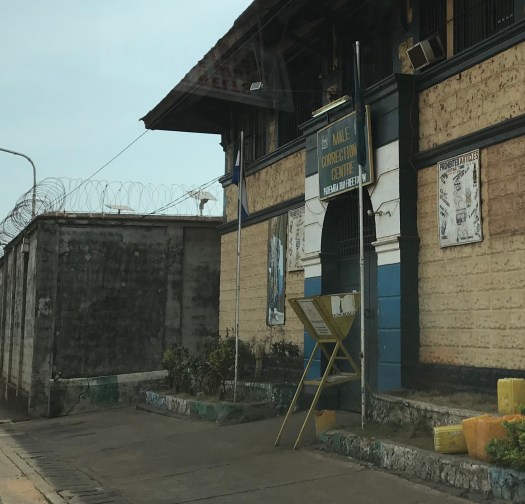
The facility currently holds just over 2000 men. Women are held at a different location. Most of the inmates are 18-25 years but there are older prisoners – one is 72. Those with more serious crimes are in a separate block. Picture lots of worn grey cement and lots of young men in tan scrub style clothes cut off into shorts and some with sleeveless tops.
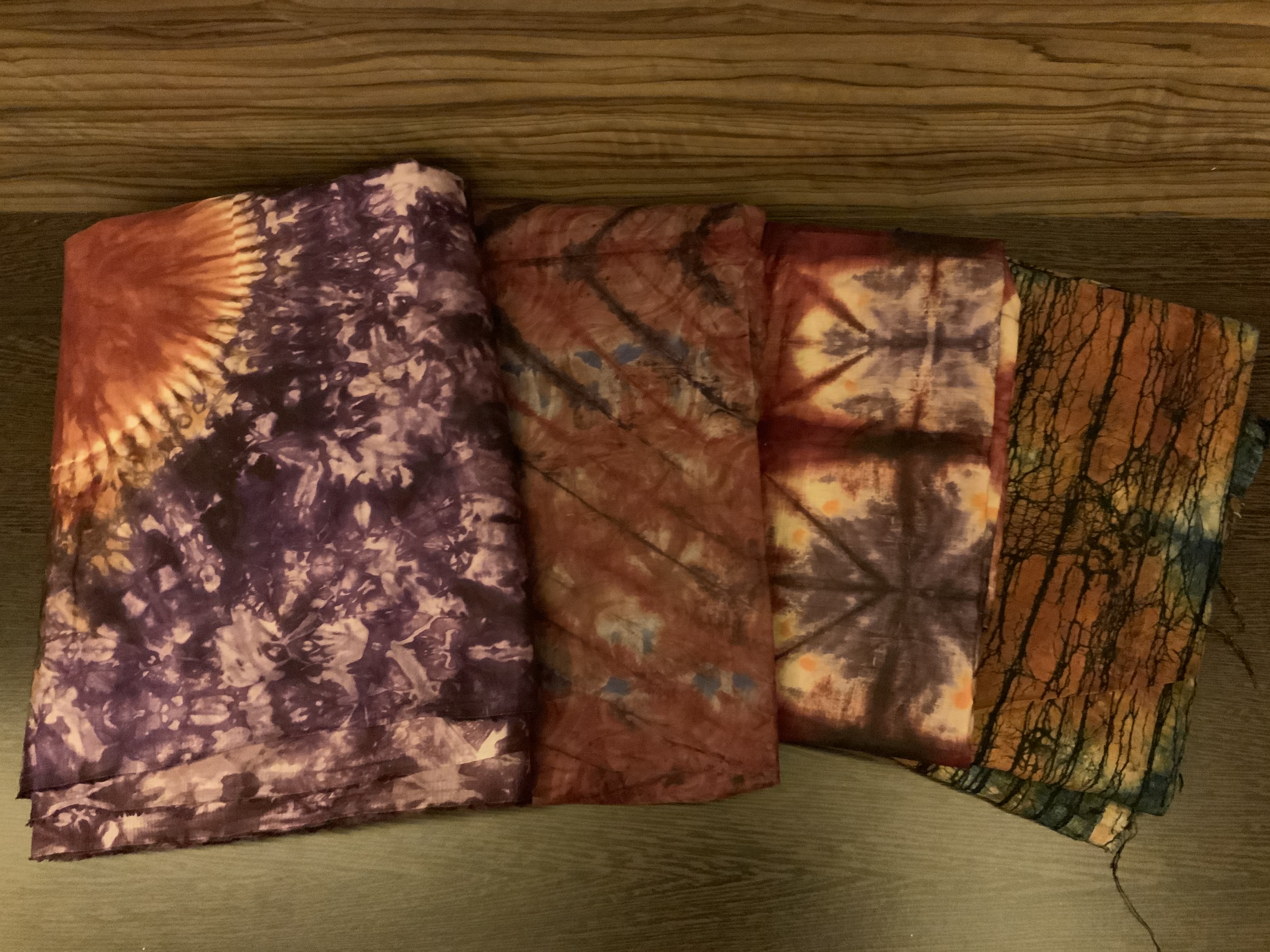
We were there to visit the hospital – a ward with colorfully painted walls and 30 iron beds covered with tie-dyed sheets on the second floor of a worn grey cement building housing the outpatient department and lab. The most common admissions are for respiratory issues, malaria and anxiety. They provide supportive care like IV fluids and antibiotics but don’t have oxygen or really anything else. More serious cases are referred to the main referral hospital. Active TB patients are in their own ward. The outpatient sees around 120 patients per day for injuries, minor illness or pain. Inmates receive a health screening after sentencing. When supplies are available, they are screened for HIV. Although medication can often be in short supply, they receive HIV and TB medication through a special program so are able to treat these patients. They take care to maintain patient privacy for those with an HIV diagnosis.
The facility does not have running water but has cisterns located at each cell block. Hand washing stations are set up in the hospital ward and clinic and kitchens. Soap tends to disappear so is not left out. Supplies are limited. The lab is tiny but they are now testing for HIV, malaria, TB, and hepatitis B.
The Matron, the man in charge of the ward, showed me the kitchens when inmates assist with preparing enormous bubbling vats of food cooked over gas, wood and charcoal fires. I saw where they were chopping a huge mountain of potato leaves onto a sheet on the ground to add what was being cooked. We toured the area where the inmates are learning skills and making things to sell like metal doors, sandals, clothes, and furniture. Through this program inmates are able to earn some money to use once released.
Behind the hospital I could see the yard where many men played soccer and many others watched. They let a couple of cell blocks out for recreation at a time. The cell blocks were also behind the hospital and we did not go in them. Aside from the colorful hospital ward, there whole place is completely no frills. There were men everywhere amongst the grey cement buildings – some engaged in activity, but most sitting in what shade could be found waiting.
The next hospital I visited was the main pediatric hospital for the country – Ola During Children’s Hospital. I met the Matron there and visited several units. She told me the hospital has 206 beds but they often have over 300 patients admitted.
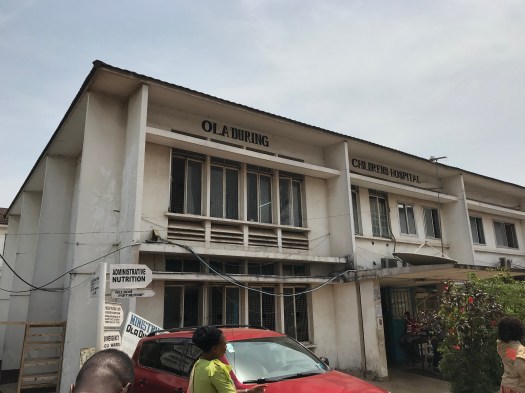
When beds are short as they almost always are, patients are doubled up with an infant and mother on each end of the bed. During Ebola they set up what they call the Resource Unit outside the main hospital. Patients are first screened and triaged. Patients with non-emergent issues are diverted to see CHO’s (similar to physician assistants) who examine, diagnose and prescribe medication while sitting at tables in the open – no privacy, no exam table.
Patients with more serious medical issues go to the Resource Unit where they are stabilized. It seemed more like an Emergency Room. Patients are supposed to stay there only for 2 hours but sometimes have to stay up to 24 hours if there is no room in the hospital. From Resource the patient is admitted to the ER, ICU, or some other unit depending on the severity and type of illness. I saw the ER and ICU. Like Resource, a lot was happening in a very small area. The ER was completely full with 2 patients per bed. The ICU where they take care of premature babies was full as well. I also visited the feeding unit for malnourished children.
All the patients that I saw were infants and toddlers. They take children up to 14 years but the vast majority of the patients are under 5 years. Healthcare for children under 5 years is now free. About 25% of the patients admitted to Ola During are ones referred from the district hospitals, the rest are from the Freetown area. I wish I’d had more time there. I keep thinking of other questions. I forgot to ask how many doctors there are working in the different units. They have X-ray and ultrasound, but not CT or MRI. Surgical patients are sent to the main hospital. There is minimal specialty care. The maternity hospital is next door. In the whole place, only the matron’s office had air conditioning.
Over the past month here, I have seen the surveillance data on reported diseases and read about the high child and maternal mortality rates. I have learned about the programs funded by international donors to detect and control communicable diseases. All that I have learned so far has only given me a general picture. And if a picture is worth a thousand words, seeing the circumstances under which care is provided to patients must be worth a million more. I appreciate the glimpse as sobering as it is.





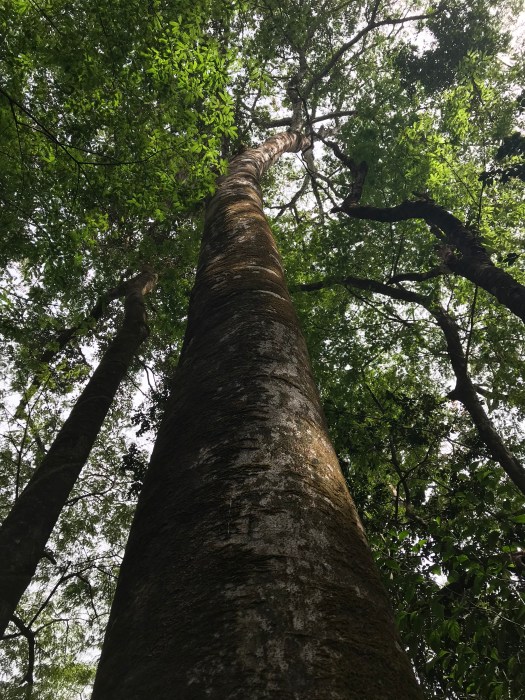
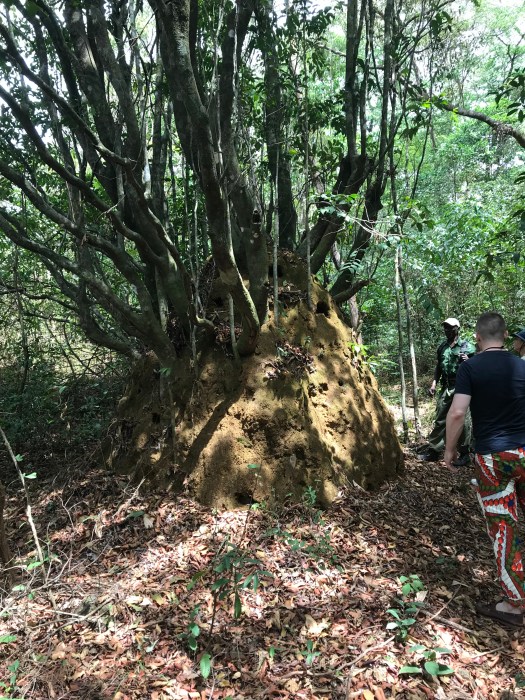

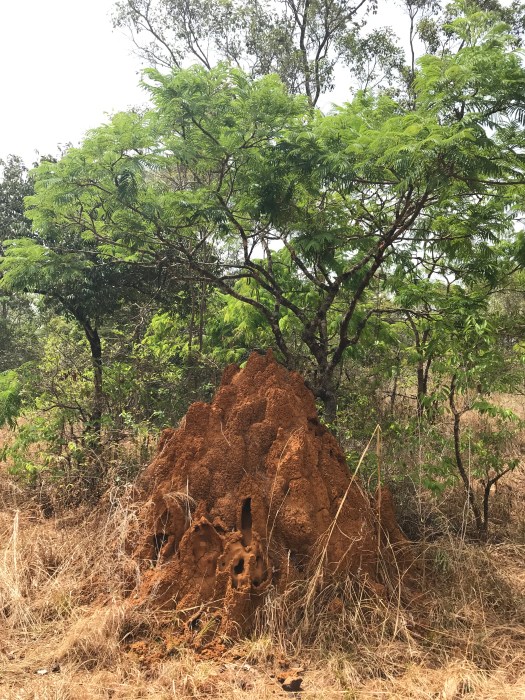
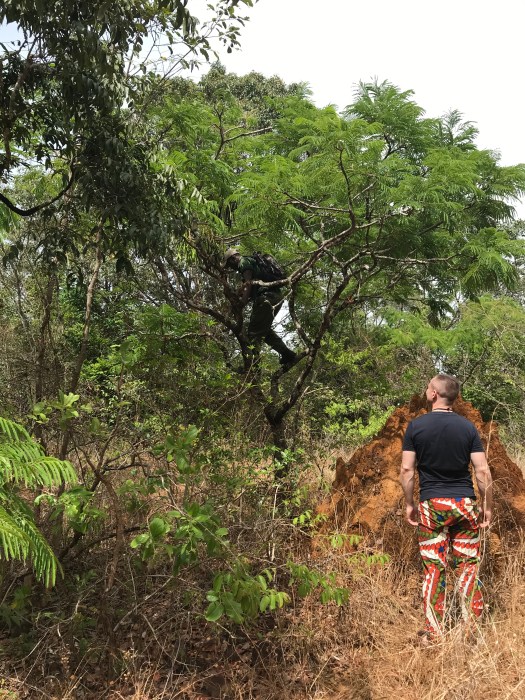




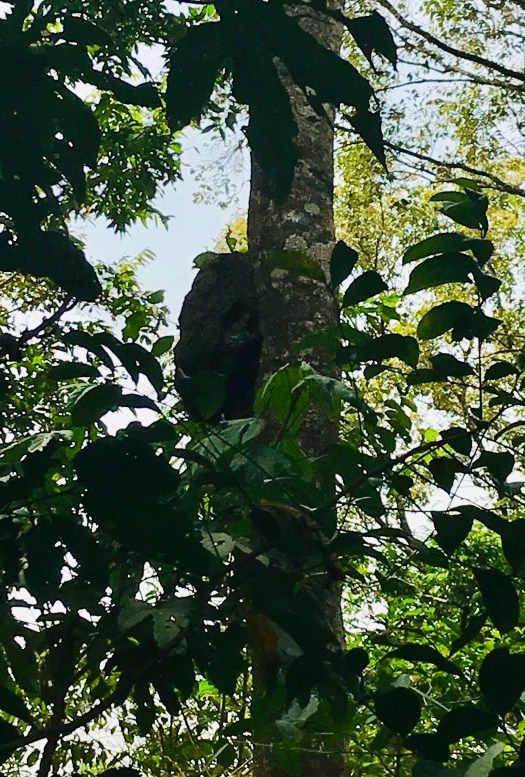
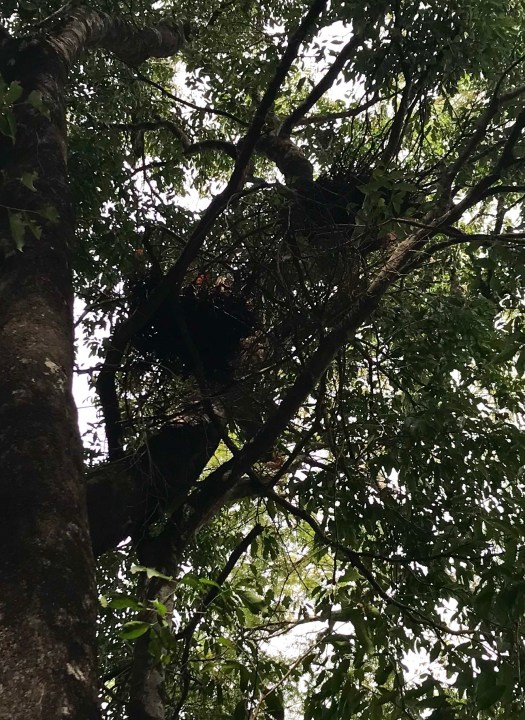





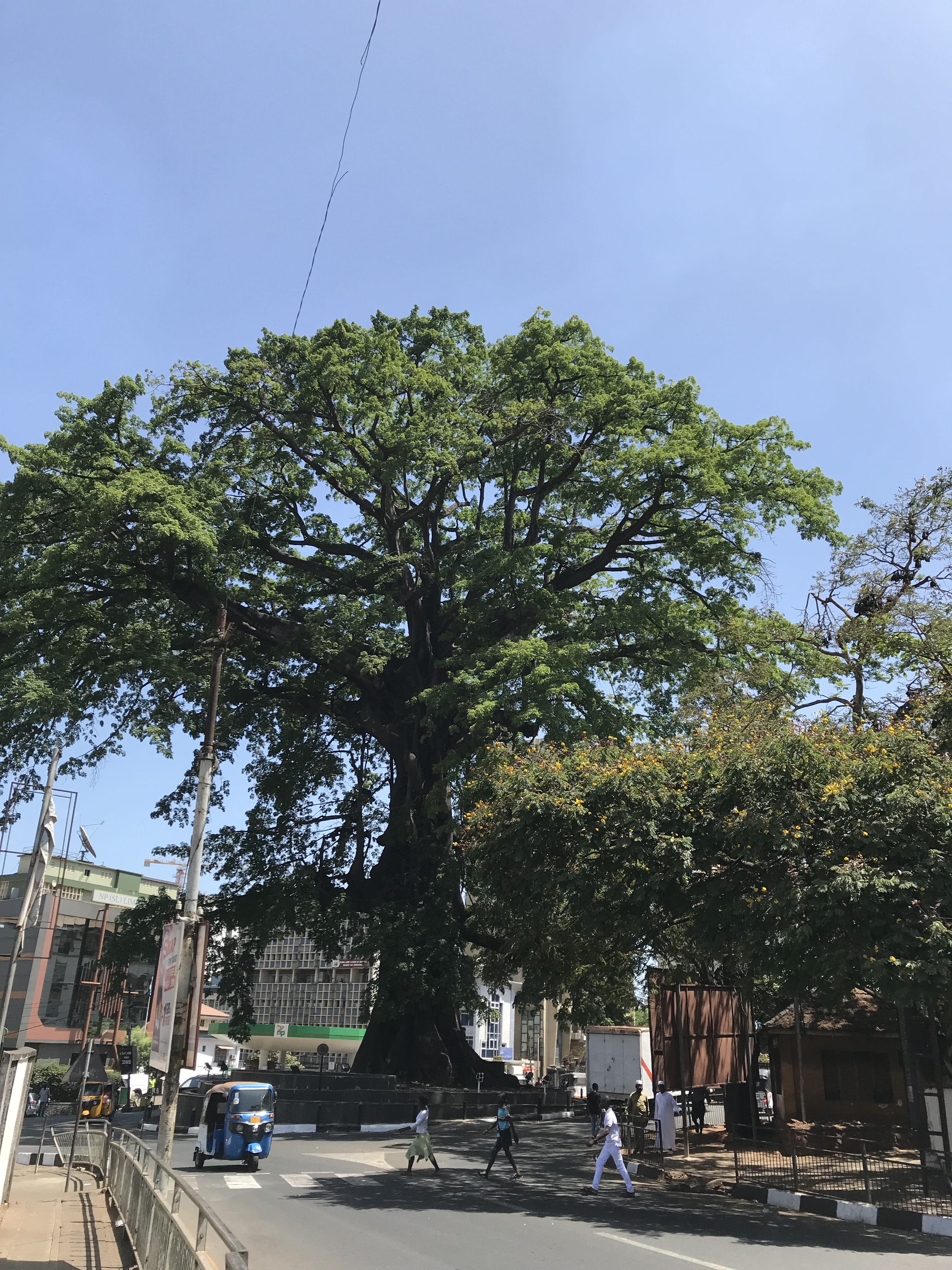
 Also it is the most enormous tree.


 Jill’s Adventure in Sierra Leone